


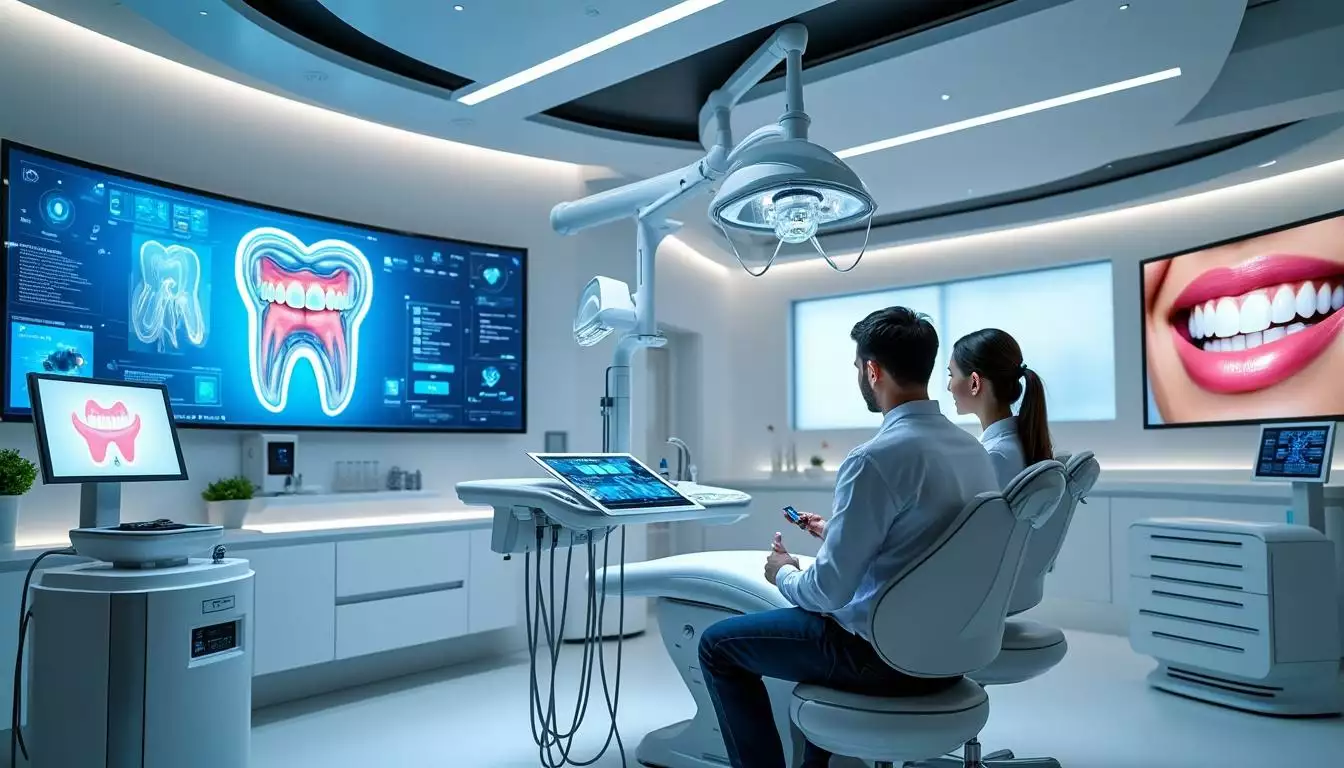
The magic of Nerovet AI Dental lies in how it studies dental data. It uses artificial intelligence and deep learning—technologies that allow computers to learn from examples just like humans do. The system is trained on thousands of dental X-rays, 3D scans, and patient histories. Over time, it learns to recognize small patterns that point to cavities, gum disease, fractures, or early bone loss. Once new images are uploaded, the AI compares them against its database and quickly highlights problem areas for the dentist to check.
Beyond image reading, Nerovet AI Dental can organize clinical information, manage patient records, and even suggest treatment plans. It saves dentists time by preparing digital reports and visuals that patients can easily understand. For clinics, it offers smooth integration with existing dental software, allowing automatic updates and follow-ups. The result is not just faster care but also smarter, more consistent results for every patient.
| Process | What Happens |
|---|---|
| Data Collection | X-rays, CT scans, and records are uploaded |
| AI Analysis | Nerovet AI Dental studies and compares the data |
| Detection | Potential issues are marked for review |
| Reporting | AI creates an easy-to-read dental report |
Benefits of Using Nerovet AI in Dental Practices
Dentists who use Nerovet AI Dental experience many practical advantages. The first is accuracy—AI can spot early signs of decay or bone loss long before the human eye. It also offers speed, producing diagnostic insights in seconds rather than minutes. Patients benefit because this leads to earlier treatment and less discomfort later. Another key benefit is consistency: AI does not get tired or distracted, ensuring equal precision every time.
Clinics also enjoy smoother workflows. Since Nerovet AI Dental connects with record-keeping and scheduling systems, it cuts down on paperwork and delays. It allows teams to focus more on patient interaction rather than manual tasks. The technology also improves patient confidence; when people see AI confirming their dentist’s findings, they tend to trust the results more.
Limitations, Challenges & Ethical Considerations
While Nerovet AI Dental is powerful, it’s not perfect. The biggest concern is data privacy. Dental images and records contain personal health details, so they must be stored and used securely. Any misuse of this data could violate health regulations. Another limitation is that AI accuracy depends on how it was trained; if the dataset isn’t diverse, results might be less reliable for certain populations or rare conditions.
There’s also the question of human oversight. Dentists still need to review all AI suggestions carefully. Over-reliance could lead to mistakes if the algorithm misinterprets something. Finally, not every clinic can afford this technology right away, since setup costs and training time can be high. Ethical use means balancing technology with professional judgment and empathy.
Real-World Applications & Case Studies of Nerovet AI Dental
Across the world, dental clinics are starting to test Nerovet AI Dental with positive outcomes. In one case, a clinic in Europe used the system to review over 5,000 X-rays and found that it increased early cavity detection by 28% compared to traditional methods. In another trial, orthodontists used the software to predict tooth movement more accurately during braces treatment, helping reduce the total treatment time.
These examples show that Nerovet AI Dental isn’t just a research idea—it’s already being applied in real practice. By supporting dentists in diagnosis and patient communication, AI systems are making dental visits faster, clearer, and less stressful. Patients can even visualize their dental health progress using digital images generated by the AI.
The Future of Nerovet AI Dental and AI in Oral Healthcare
The future looks promising for Nerovet AI Dental. As AI models become more advanced, they will likely analyze 3D oral scans in real time and detect issues that even modern scanners miss. Integration with tele-dentistry could allow dentists to consult patients remotely while the AI reviews uploaded photos or scans. The technology might even predict oral problems before they occur, using long-term health data.
In the coming years, we may also see robot-assisted dental procedures guided by AI analytics. Training programs for dental students will start to include AI-based diagnosis tools, preparing new generations for a smarter, digital future. Nerovet AI Dental is leading this transformation—making oral healthcare faster, preventive, and data-driven.
FAQs About Nerovet AI Dental
1. What is Nerovet AI Dental?
It’s an advanced dental system that uses artificial intelligence to help dentists detect oral health problems quickly and accurately. It works by analyzing X-rays, 3D scans, and other data to highlight potential issues.
2. Is Nerovet AI Dental safe to use?
Yes, the technology is built to assist, not replace, dentists. All final decisions remain with human professionals, and most systems follow strict health data privacy rules.
3. Can AI replace human dentists?
No. AI like Nerovet supports dentists but cannot replace their clinical skills, intuition, or empathy. It acts as a digital assistant to enhance care quality.
4. How can a dental clinic start using Nerovet AI Dental?
Clinics need to subscribe to the software, train staff, and integrate it with their imaging and patient-record systems. Most installations are cloud-based and easy to maintain.
5. What benefits will patients notice?
Patients may see faster results, clearer explanations through AI visuals, and earlier detection of hidden issues—leading to gentler, more effective treatments overall.
Conclusion: Embracing Nerovet AI Dental for Better Oral Health
Nerovet AI Dental represents a big step toward smarter, safer, and more efficient dentistry. By combining human expertise with intelligent technology, it helps dentists offer better care in less time. Though challenges like privacy and cost remain, the advantages—speed, accuracy, and comfort—are undeniable.
As clinics worldwide adopt AI-driven tools, dentistry is shifting from reactive treatment to preventive, data-guided care. For patients, that means fewer surprises at checkups and healthier smiles for years to come.
Read more :Vem är Rolf Porseryds fru? – Allt om ”rolf porseryd fru” och hans partner